
The difference between NoGi and Gi in Jiu-Jitsu
The Jiu-Jitsu is practiced in two main forms: Gi and NoGi. Both have unique features and are used in different contexts, but both help to form a complete fighter. Let's explore the main differences between them.
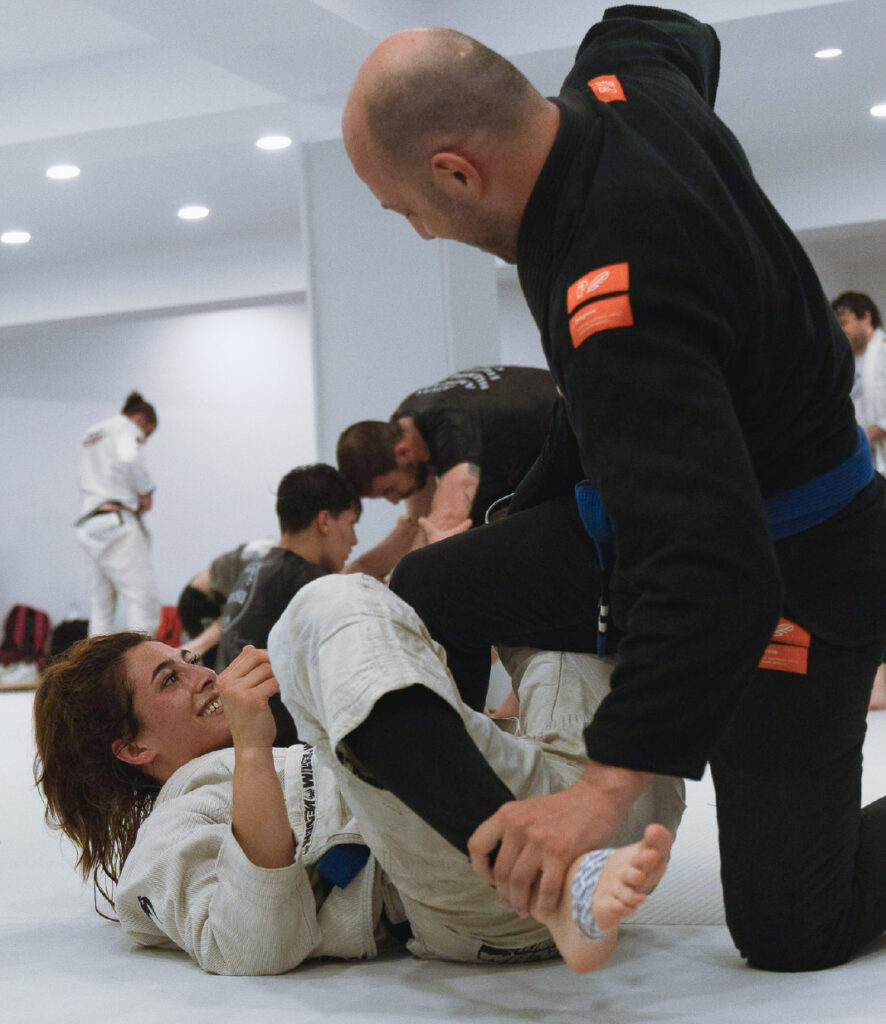
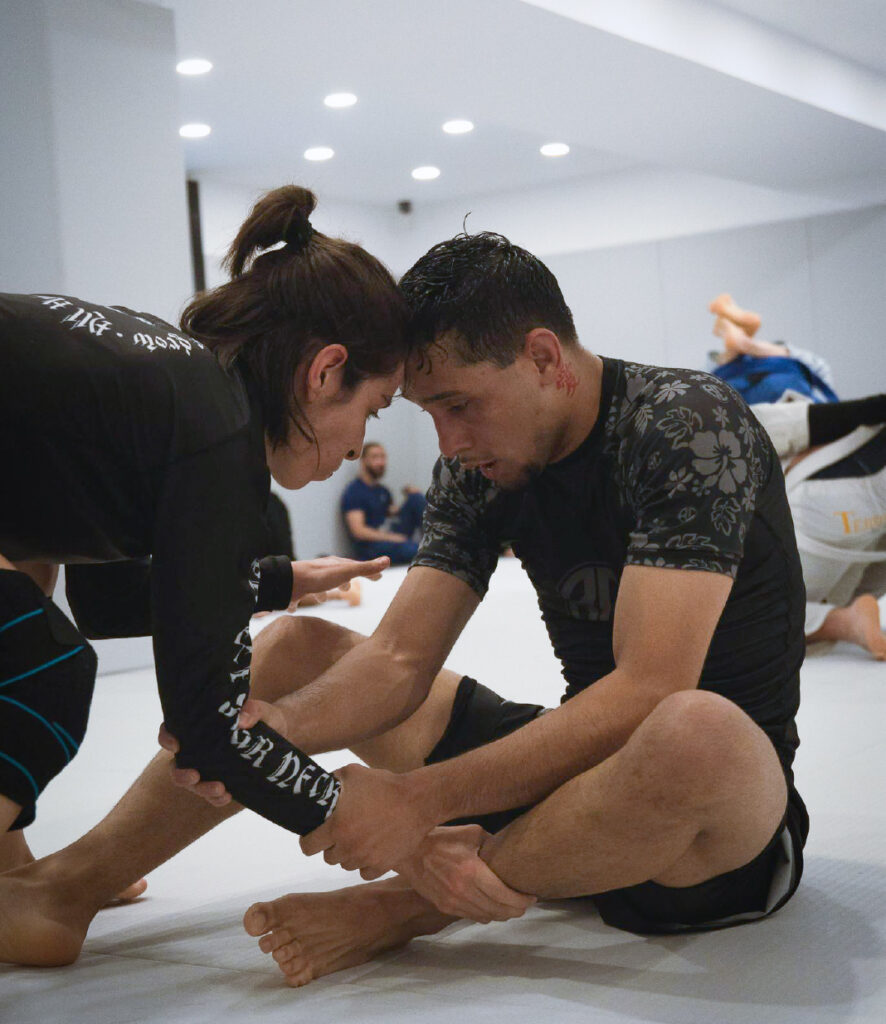
Attire
The main feature of Gi Jiu-Jitsu is the use of the kimono, which consists of a jacket and pants. The Gi allows for a variety of grips on the kimono (both on the jacket and the pants), opening up a wide range of techniques.
In NoGi, athletes wear lighter clothing, such as shorts and a T-shirt (usually a rash guard) or compression gear. The absence of the kimono leads to a more fluid style of grappling, with fewer grips.
Gaps and control
In Jiu-Jitsu with Gi, the kimono grip is fundamental. You can hold the opponent's neck, sleeves and pants, which allows for greater control and a wide variety of positions, such as the arachnid guard and the manga guard. These handles can be used to destabilize and control the opponent, allowing smaller fighters to dominate larger rivals.
In NoGi, grips are more limited and focus on controlling joints, the neck, and other parts of the body. Without the kimono's fabric to grip, controlling the opponent becomes more challenging, and the grappling can feel more dynamic and slippery due to the lack of friction provided by the Gi.
Rules
The rules of Gi tournaments may include restrictions on certain submission techniques. For example, ankle locks are not allowed in IBJJF competitions (one of the largest Gi tournament organizations).
In No-Gi competitions, such as the ADCC, ankle locks are permitted. Additionally, No-Gi tournaments often have other rule variations, especially because the pace of the matches is usually faster, with a greater emphasis on movement and quick submissions.
Game style and techniques
The Jiu-Jitsu with Gi tends to be more technical and control-oriented. The kimono grip allows a wide variety of more complex techniques and movements, with a focus on positions such as the arachnid guard and the manga guard.
In No-Gi, the fighting style is often more fluid and dynamic, with a greater emphasis on guillotines, leg locks, and ankle locks. Without the kimono's fabric to grip, fighters focus more on taking their opponent's back and maintaining constant movement.
Why train both?
To become a complete Jiu-Jitsu fighter, it is important to train both Gi and NoGi. The Gi adds complexity with its grip, allowing for greater control, while the NoGi provides a faster and more dynamic game, with less control and greater freedom of movement. Both offer unique benefits and together form a complete Jiu-Jitsu game.
These differences highlight how versatile the Jiu-Jitsu can be and how each style has its own set of challenges and advantages. Training both makes the practitioner more adaptable and ready to compete in any format!

